A generation ago, facelift surgery was often associated with dramatic transformations that were easy to spot. People worried about looking overly tight, overly smooth, or simply different from themselves. Today, the conversation around facial rejuvenation has changed considerably. More people are openly discussing cosmetic procedures, researching their options, and seeking results that look subtle rather than obvious.
That shift has helped fuel interest in what many people now call the “Undetectable Facelift.” Instead of creating a noticeably altered appearance, this advanced approach focuses on restoring natural facial contours and youthful structure in a way that looks refreshed, balanced, and authentic.
The Procedure Everyone Is Talking About
The term “Undetectable Facelift” has gained attention because it perfectly describes what many patients want. They are not looking to become someone else. They simply want to look like a younger, more energized version of themselves without friends, family members, or coworkers immediately knowing they had surgery. This term most commonly refers to the deep-plane facelift, an advanced surgical technique that addresses facial aging at a deeper level than traditional facelift methods. What makes it different is where the lifting occurs. Rather than focusing primarily on tightening the skin, the deep-plane facelift repositions the deeper tissues responsible for many of the visible signs of aging. This allows the face to be refreshed from within rather than simply pulled tighter from the surface.
Why Traditional Facelifts Sometimes Look Obvious
Many of the facelift horror stories people remember come from older techniques that concentrated heavily on skin tightening. While those procedures could improve sagging, they sometimes created an unnatural appearance because the skin was doing most of the work.
Aging affects much more than the skin alone. Over time, facial tissues descend, cheeks lose youthful positioning, and the jawline becomes less defined. Pulling the skin tighter does not fully address those deeper structural changes. Common concerns associated with older facelift techniques included:
- A stretched or wind-swept appearance
- Visible tension around the mouth and cheeks
- Flattened facial contours
- Noticeable scarring
- Results that did not move naturally with facial expressions
Modern facial rejuvenation has evolved significantly, focusing on restoring youthful anatomy rather than simply tightening the outer layer of skin.
The Secret Is What Happens Beneath The Surface
One of the reasons the deep-plane facelift produces such natural-looking results is that it works below the layers most people see. Instead of relying on skin tension, the procedure repositions deeper facial structures that have shifted over time. When these deeper tissues are elevated and restored to a more youthful position, the face regains shape, contour, and balance. The cheeks appear fuller, the jawline becomes more defined, and folds around the nose and mouth are softened in a way that looks natural.
- Restoring Instead Of Pulling: The goal is not to create a tighter face. The goal is to restore what aging has gradually changed. Because the lift occurs within the deeper tissue layers, there is far less tension placed on the skin itself.
- Preserving Natural Expression: Patients often worry about losing their ability to smile naturally or express emotion after surgery. The deep-plane facelift is specifically designed to preserve facial animation, allowing patients to maintain the expressions and movement that make them uniquely themselves.
The Features That Make Results Hard To Detect
People often assume that a successful facelift means nobody notices. In reality, the best results often lead to comments such as, “You look great,” or “You look rested,” without anyone immediately identifying surgery as the reason. Several factors contribute to that outcome.
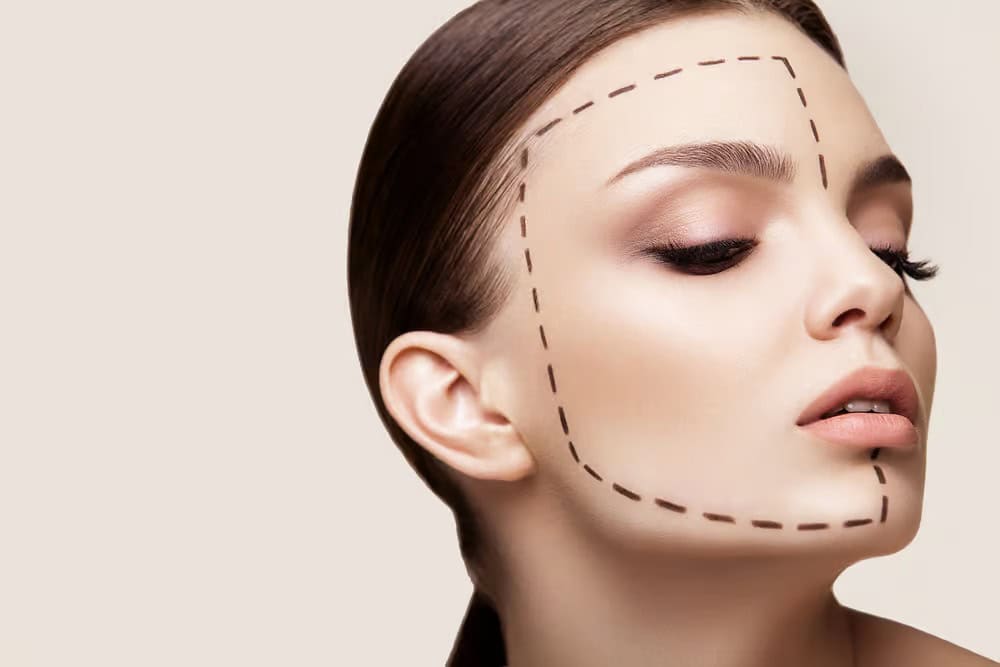
- Hidden Incisions: Incisions are carefully placed around the ears and within natural contours or hair-bearing areas. Once healed, they are typically difficult for others to notice.
- Improved Midface Volume: One of the first places aging becomes visible is the midface. When the cheeks begin to descend, the entire face can appear tired. Repositioning these tissues helps restore youthful fullness without relying solely on fillers.
- A Softer Jawline Transition: Aging often creates heaviness along the lower face and neck. Addressing deeper structures allows for smoother, more natural contouring along the jawline.
- Less Skin Tension: Since deeper tissues are carrying the lift, the skin does not need to be stretched aggressively. This helps avoid the tight, overcorrected appearance many patients want to avoid.
More Than A Lift: Rejuvenating The Entire Face
One reason the deep-plane facelift has become so popular is that it addresses multiple concerns simultaneously. Rather than treating one isolated area, it improves overall facial harmony. Patients commonly seek treatment because they notice:
- Loss of jawline definition
- Sagging in the cheeks
- Deepening smile lines
- Facial heaviness
- Early jowling
- Changes in facial volume
- A tired or aged appearance despite feeling energetic
By addressing these concerns together, the procedure creates a more balanced and comprehensive rejuvenation.
What Recovery Actually Looks Like
Recovery is often one of the biggest concerns for prospective patients. Many people are pleasantly surprised to learn that healing follows a fairly predictable process when surgery is performed by an experienced plastic surgeon. The first week is typically when swelling and bruising are most noticeable. During this period, patients spend time resting and allowing their bodies to heal.
By the second week, many individuals begin feeling significantly more comfortable and confident about their appearance. Swelling continues to improve, and daily activities become easier. Most patients feel ready to return to social situations within a few weeks. More strenuous activities generally require additional healing time, but the exact timeline varies from person to person. Patience plays an important role. While early improvements are visible relatively quickly, final refinement continues as swelling resolves and tissues settle into their new position.
Who Usually Benefits Most From An Undetectable Facelift?
Many people assume facelift surgery is only for advanced aging. In reality, patients are seeking facial rejuvenation earlier than ever before. Rather than waiting until signs of aging become severe, many individuals choose treatment when they first begin noticing meaningful changes in facial contour and definition. Common signs that may lead someone to consider a deep-plane facelift include:
- Early jowls
- Midface descent
- Deepening folds around the mouth
- Loss of cheek projection
- Jawline softening
- Persistent facial heaviness
The ideal candidate is often someone who still wants to look like themselves but would like their reflection to better match how youthful and vibrant they feel inside.
Experience Matters More Than Ever
The deep-plane facelift is widely regarded as one of the most advanced facial rejuvenation procedures available today. It requires extensive anatomical knowledge, refined surgical judgment, and a high level of technical expertise. Not every plastic surgeon performs this technique. Its complexity demands specialized training and significant experience working within the deeper structures of the face. For that reason, choosing a qualified surgeon is every bit as important as choosing the procedure itself. Natural-looking results depend not only on the technique but also on the skill and artistry of the surgeon performing it.
A Refreshed Look That Still Feels Like You
Facial rejuvenation has entered a new era. Patients are no longer seeking dramatic transformations that completely change their appearance. Instead, they want results that look effortless, natural, and believable. At The Julian Institute of Plastic Surgery, we understand that the most successful facelift is often the one nobody can identify.
The deep-plane facelift, often referred to as the Undetectable Facelift, offers a sophisticated approach to facial rejuvenation by restoring youthful contours while preserving the features, expressions, and character that make you who you are. If you are exploring options to refresh your appearance with results that look natural rather than obvious, our team is here to help you learn whether this advanced procedure may be right for you. Schedule a consultation today.