For years, plastic surgery seemed geared toward younger adults. The numbers tell a different story. In 2025, adults 66 and older recorded the biggest increase in cosmetic surgical procedures of any age group: 24%. Turns out, getting older doesn’t mean losing interest in how you look or how you feel about it.
The reasons extend beyond looking younger. Some are enjoying retirement and plans postponed for decades. Others have lost weight, noticed changes around their eyes, or decided a long-standing concern deserves attention. What’s changing is the idea that there’s an expiration date on making that choice.
The Numbers Are Challenging Every Age Stereotype
The American Society of Plastic Surgeons’ 2025 statistics reveal a shift. While procedures among adults ages 18 to 25 fell 9%, those among people 56 to 65 rose 15%. The increase was even greater for adults 66 and older, making them the fastest-growing group by procedure volume. They aren’t the largest patient group, but their procedure numbers are growing fastest.
That distinction matters because plastic surgery has traditionally been associated with younger patients or dramatic makeovers. More people are making room for aesthetic care alongside fitness, travel, and priorities. Age has become less of a dividing line in conversations about personal appearance.
Looking Like Yourself May Be the Biggest Motivation
Not everyone wants to look 30 again. Someone in their late sixties might love their silver hair, laugh lines, and the life that put them there while still disliking heavy upper eyelids or loose skin beneath the chin. Wanting to address one feature doesn’t mean rejecting everything that comes with age. Those two feelings can comfortably exist together.
That shapes what patients ask for. Rather than seeking an entirely different face, many want their appearance to feel more consistent with their energy and personality. The ASPS report describes restoration after life changes as a leading motivation for surgery. For a person who feels confident and active, a small but meaningful change may be the goal, not a dramatic reveal.
Eyelids Are Leading, but the Wish List Is Bigger
Popular procedures among adults over 66 tell different stories. Some focus on changes they notice in photographs. Others consider body contouring after weight changes. The choices have more to do with personal concerns than traditional ideas about age.
Eyelid Surgery Gets the Top Spot
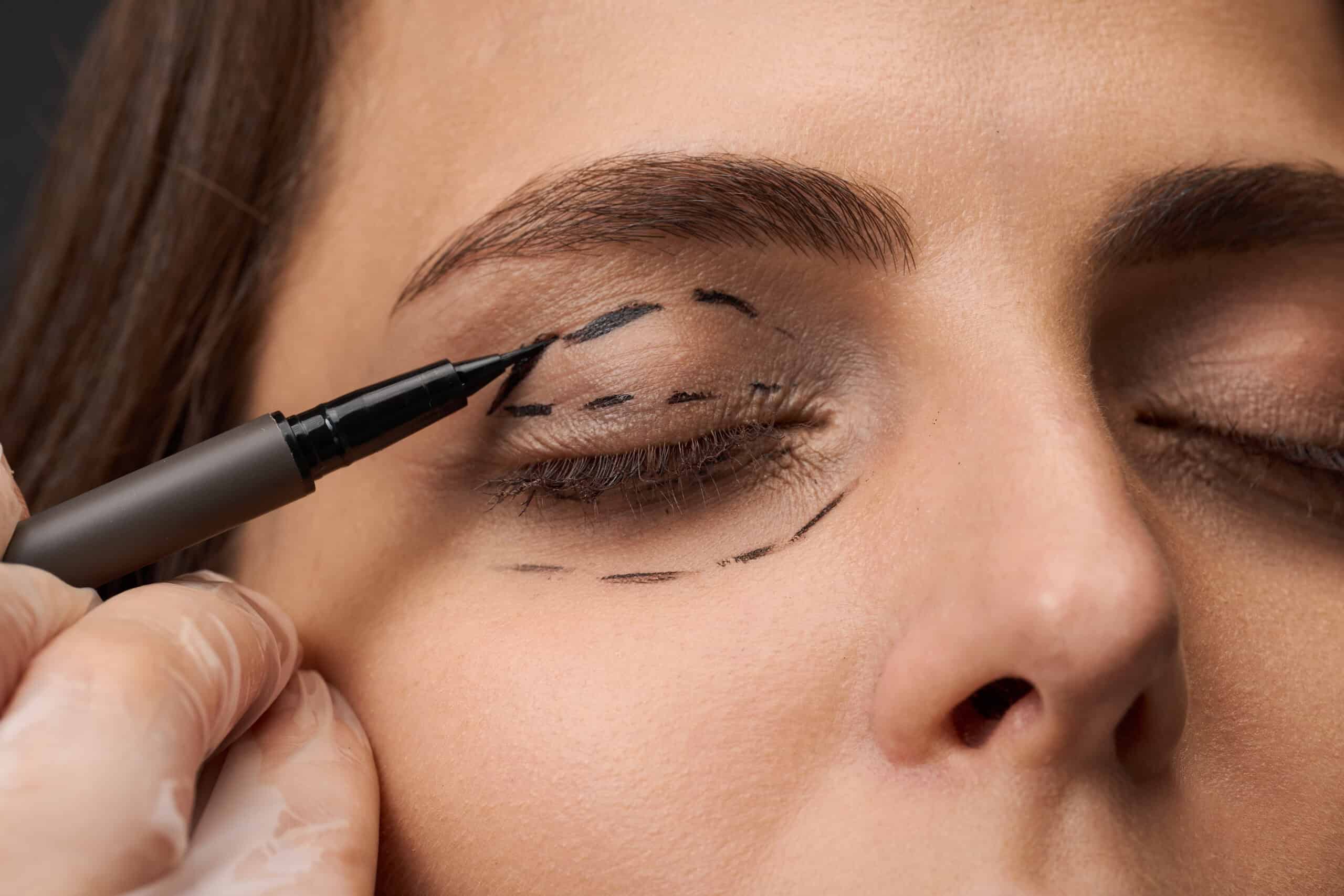
Eyelid surgery was the most common cosmetic surgical procedure for adults 66 and older in 2025. An eyelid lift, or blepharoplasty, can address excess upper-eyelid skin or puffiness around the eyes, depending on the technique. The appeal is often looking rested without changing facial character, especially when upper lids make the eyes appear heavy. Vision problems need separate medical assessment.
Facelifts Remain a Popular Choice
Facelifts followed eyelid surgery among this age group. They address sagging cheeks and jawlines by repositioning tissue and removing excess skin. A neck lift may also be discussed when loose skin or banding below the chin is the primary concern. The aim is a familiar face, just refreshed.
Body Procedures Aren’t Just for Younger Patients
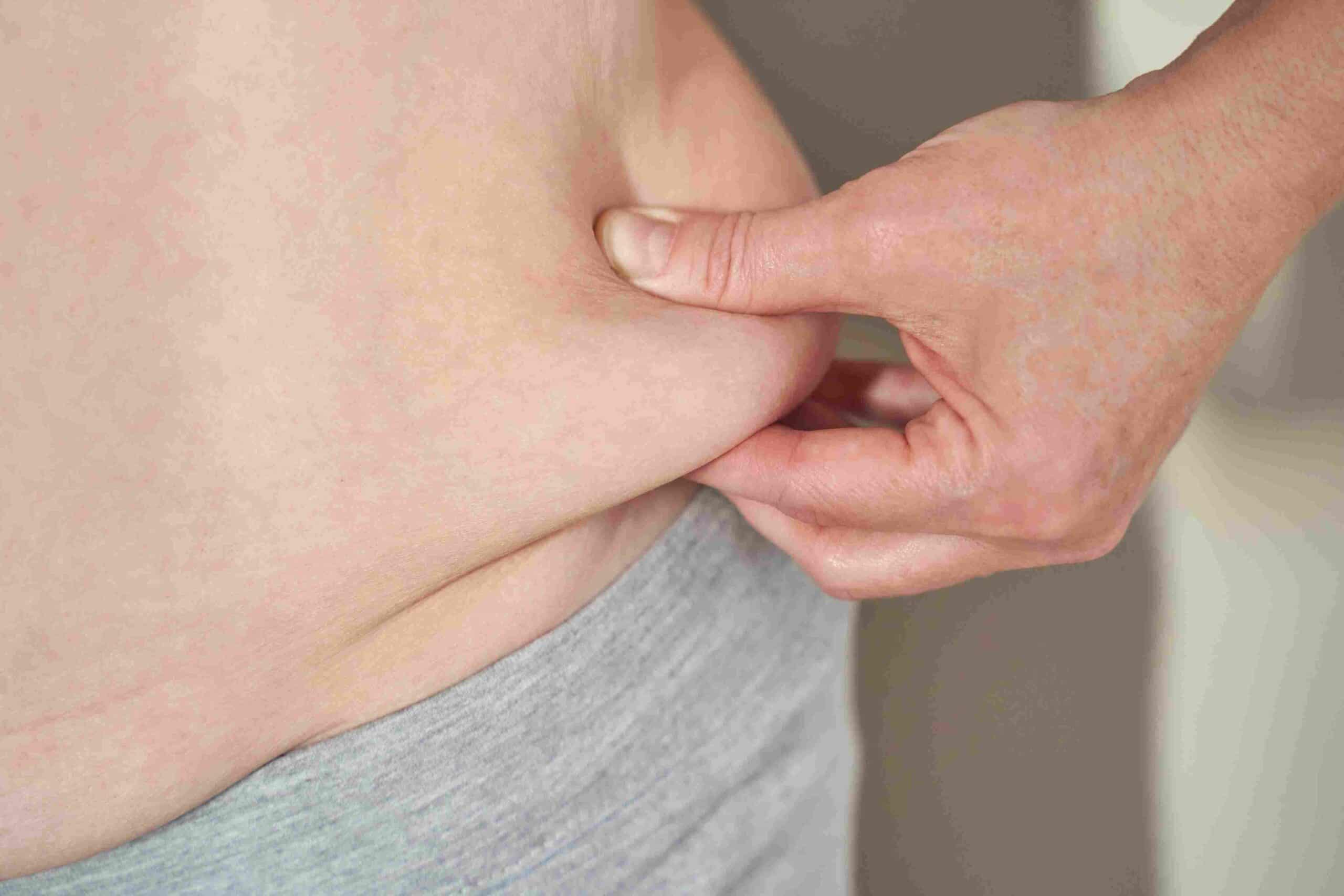
Liposuction was another leading procedure, while breast augmentation, arm lifts, and other body lifts also saw growth. The reasons vary. Some want to refine a particular area; others are addressing loose skin that remains after major weight loss. A consultation clarifies what surgery can and cannot change.
Weight Loss Has Added a New Chapter to the Story
Losing a significant amount of weight can feel like a major personal victory. But it may also leave behind stretched skin that doesn’t tighten simply because the weight is gone. Someone may feel healthier and move more comfortably yet dislike loose skin around the abdomen or arms. That doesn’t take away from what they’ve accomplished. Skin elasticity varies, so weight loss doesn’t always eliminate the need for a separate conversation about excess skin.
GLP-1 medications have also become part of the conversation. In the ASPS report, 82% of member surgeons reported receiving consultation requests related to GLP-1 use. That shows interest in post-weight-loss procedures, not proof GLP-1s caused the increase among older adults. For patients considering body contouring, stable weight, overall health, and realistic expectations remain important parts of planning.
Retirement Isn’t Always a Time to Sit Still
Retirement doesn’t necessarily mean slowing down. Many adults in their late sixties and seventies are hiking, working, volunteering, traveling, and keeping busy with grandchildren. Feeling engaged with life can change how someone thinks about appearance. They may finally have time to explore cosmetic care.
A few everyday factors can influence that timing:
- More control over the calendar: Retirement or a lighter work schedule may make consultations and recovery easier to arrange.
- A new phase of personal priorities: After years spent looking after other people, some adults choose to spend time and resources on themselves.
- Changes that become more noticeable: Skin laxity, eyelid heaviness, and body changes may prompt questions that never felt important before.
Your Birth Year Doesn’t Determine Surgical Readiness
A healthy 70-year-old and a 45-year-old can have different risks, but age alone doesn’t decide surgical eligibility. Medical history, heart and lung health, medications, smoking status, and the procedure itself all influence risk. Recovery plans matter too. Someone living alone may need extra support afterward.
Before considering a procedure, a responsible evaluation should cover:
- Overall health: Existing medical conditions and whether they’re well managed.
- Medications and supplements: Especially anything that may affect bleeding or anesthesia, with changes made only under medical guidance.
- Recovery expectations: How much assistance, downtime, and follow-up will realistically be needed.
- Personal goals: What improvement is possible and whether the benefits justify the risks.
Choosing surgery is never an obligation, at any age. A good consultation should leave room for deciding against it, too.
The Best Result Isn’t About Looking Younger Than Everyone Else
One of the encouraging parts of this trend is that older adults aren’t confined to a narrow idea of beauty. Some want a noticeable improvement; others prefer subtle changes that friends might not immediately identify. The right plan depends on anatomy, health, and personal preference. No two people age in exactly the same way, so a standard formula rarely makes sense. Nonsurgical treatments can address some concerns, but they cannot replace a surgical lift when substantial excess skin is involved.
Our approach at The Julian Institute of Plastic Surgery starts with those individual goals. Surgery should be a thoughtful decision, not a race against birthdays. Whether you’re considering an eyelid lift or body contouring, your goals and safety come first.
Your Next Chapter Deserves a Conversation of Its Own
Turning 66 doesn’t make surgery right for you, or make it too late to ask questions. If a change has been on your mind, we can help you explore the possibilities without pressure. Schedule a personalized consultation with our board-certified surgeons, Dr. Marc Polecritti and Dr. Derek Polecritti