Choosing a plastic surgeon is not a casual decision. It is personal. It is emotional. It often represents months or even years of thinking about a change you want to make for yourself. The consultation is where that journey truly begins. It is the moment when curiosity turns into clarity, and questions turn into a plan. Many people focus heavily on before and after photos or pricing before they ever step into an office.
Those things matter, but the consultation tells you far more. It reveals the surgeon’s expertise, their honesty, the culture of the practice, and whether you feel safe placing your trust in their hands. A great consultation should leave you feeling informed, respected, and confident. If it does not, that is important information too. At The Julian Institute of Plastic Surgery, we believe the consultation is one of the most important parts of your entire experience. Here is what to look for when you sit down to meet your plastic surgeon.
Credentials That Actually Mean Something
When you meet a plastic surgeon, credentials should not be an afterthought. They should be front and center. The letters after a surgeon’s name are not decorative. They represent years of rigorous training, examinations, and accountability.
Board certification in Plastic and Reconstructive Surgery is essential. It means the surgeon completed accredited surgical training and passed comprehensive board examinations. It also means they maintain ongoing education and standards.
Why Board Certification Matters
Board certification is more than a title. It means:
- Extensive surgical training beyond medical school
- Mastery of both cosmetic and reconstructive techniques
- Continuous evaluation and commitment to high standards
- Accountability to a governing board
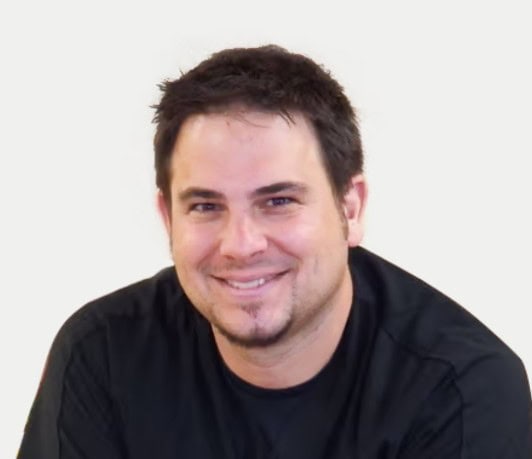
At The Julian Institute of Plastic Surgery, both of our surgeons bring a depth of training that reflects years of dedication. Dr. Marc Robert Polecritti is double board-certified in Plastic and Reconstructive Surgery as well as General Surgery. That dual certification reflects a broad and comprehensive surgical foundation, something that matters deeply when precision and safety are paramount.
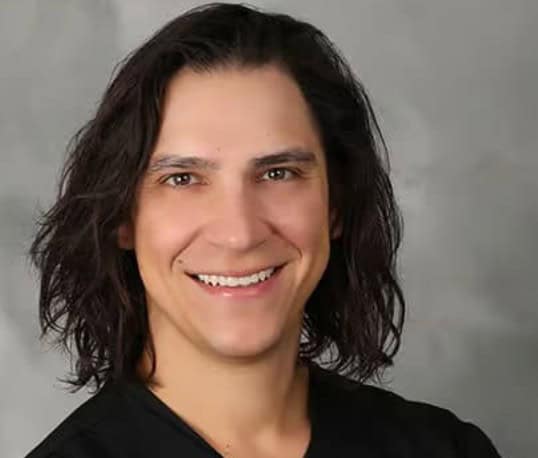
Dr. Derek C. Polecritti is board-certified in Plastic and Reconstructive Surgery and completed extensive fellowship training that included plastic, reconstructive, and hand surgery. His background in research and national conference presentations reflects a commitment to advancing the field, not simply practicing within it.
When you sit in a consultation chair, you deserve to know exactly who is across from you. Ask about training. Ask about board certification. Ask about surgical volume. A qualified surgeon will welcome those questions.
The Difference Between a Real Consultation and a Sales Pitch
A consultation should feel like a conversation, not a transaction. You are not purchasing a handbag. You are discussing surgery. That difference matters. A quality consultation will include:
- A thorough review of your medical history
- A detailed physical examination
- A discussion of your goals
- An honest assessment of what is realistic
- A clear explanation of risks and recovery
If the conversation feels rushed or overly focused on selling upgrades, pause. A skilled plastic surgeon will sometimes say no. They will explain when expectations are unrealistic. They will prioritize safety over convenience. We take time to evaluate anatomy, skin quality, overall health, and long-term goals. That level of detail cannot be replaced by a quick conversation or a generic recommendation.
In-Person Consultations: Why They Matter More Than You Think
Telehealth has its place in modern medicine. It offers convenience and accessibility. However, when it comes to plastic surgery consultations, nothing replaces the value of being in the room. An in-person consultation allows for:
- Hands on physical assessment
- Accurate measurements and symmetry evaluation
- Evaluation of skin elasticity and tissue quality
- Immediate collaboration with the surgical team
- A deeper personal connection
Plastic surgery is tactile and visual. Subtle nuances in tissue thickness, muscle tone, or skin laxity cannot be fully appreciated through a screen. Lighting, camera angles, and image distortion can misrepresent anatomy. When you visit us in person, you benefit from the expertise of an entire team. Our staff is present. Our surgical coordinators can walk you through the next steps. You can see the environment where your care will take place. That transparency builds trust. Telehealth can be helpful for follow-ups or initial conversations, but your primary surgical consultation deserves more than pixels on a screen.
Surgical Setting Transparency: Look Behind the Curtain
A consultation should not only focus on the procedure. It should also address where and how your surgery will be performed. Ask about:
- The accreditation of the surgical facility
- Hospital privileges
- Anesthesia providers
- Emergency protocols
- Post-operative monitoring
Dr. Marc Polecritti holds staff privileges at multiple regional hospitals, reflecting both trust and accountability within the medical community. That level of integration into hospital systems is not something to overlook. It demonstrates professional oversight and peer recognition.
A reputable practice will welcome transparency. You should feel comfortable asking about safety standards. You should know who will administer anesthesia and what credentials they hold. Confidence grows when nothing feels hidden.
Experience You Can Feel in the Room
Experience is not only measured in years. It is felt in the way a surgeon communicates. During your consultation, notice:
- Do they explain procedures clearly?
- Do they outline potential complications honestly?
- Do they discuss alternatives?
- Do they answer questions without defensiveness?
Dr. Marc Polecritti’s background includes extensive surgical leadership roles during his residency and fellowship training. That leadership translates into calm confidence. Dr. Derek Polecritti’s advanced fellowship training and research contributions reflect a surgeon who values depth and precision.
Experience shows in small details. It shows how your concerns are acknowledged. It shows how carefully your treatment plan is tailored. It shows how clearly risks and recovery timelines are discussed. If a surgeon minimizes risks or promises perfection, that is a red flag. Real expertise includes honesty.
Personalized Planning, Not One Size Fits All
No two faces are identical. No two bodies respond exactly the same way to surgery. A quality consultation should reflect that individuality. You should leave with a plan that feels specific to you. That includes:
- Procedure recommendations based on anatomy
- Realistic outcomes based on your goals
- A recovery plan tailored to your lifestyle
- A discussion of timing and long-term considerations
We take pride in developing surgical plans that respect natural proportions. Enhancements should complement your features, not overpower them. A thoughtful consultation balances artistry with surgical precision. If you feel like you received the same explanation as the last three patients, that is not personalized care.
Continuity of Care: What Happens After Surgery Matters
The consultation should also clarify what happens after the procedure. Surgery is only one part of the journey. Recovery and follow-up care are equally important. Ask about:
- Post-operative appointments
- Access to your surgeon during recovery
- Emergency contact procedures
- Scar management plans
- Long-term follow-up
A strong practice does not disappear after surgery day. We remain involved through recovery, ensuring healing progresses safely and comfortably. Continuity of care builds peace of mind. You should never feel unsure about who to call or where to go if you have questions. The relationship between surgeon and patient extends beyond the operating room. It includes guidance, reassurance, and long-term support.
The Atmosphere Tells You More Than You Realize
Pay attention to how you feel when you walk into the office. The consultation begins before the surgeon enters the room. Notice:
- How you are greeted
- Whether staff members seem coordinated
- The cleanliness and organization of the space
- The professionalism of communication
A cohesive team reflects a cohesive surgical experience. From front desk staff to surgical coordinators, every interaction contributes to your overall confidence.
The Julian Institute of Plastic Surgery was named with intention. The word Julian means youthful. That philosophy carries through our approach. Youthfulness is not about chasing trends. It is about preserving natural vitality in a safe and thoughtful way.
Trust Your Instincts
Data and credentials matter. So does intuition. After your consultation, ask yourself:
- Did I feel heard?
- Did I feel pressured?
- Did the surgeon seem genuinely invested in my goals?
- Did the answers feel thoughtful and complete?
Confidence should feel calm, not forced. A strong consultation leaves you informed, not overwhelmed. It provides clarity, not confusion. Surgery is deeply personal. The right surgeon will respect that.
Your Next Step Should Feel Clear
Ready to Experience a Consultation That Puts You First?
A consultation is not about being persuaded. It is about being prepared. When you leave our office, the goal is for you to feel educated, confident, and empowered to make the right decision for yourself. Your goals deserve thoughtful attention and surgical expertise rooted in extensive training and board certification.
When you meet with Dr. Marc Robert Polecritti or Dr. Derek C. Polecritti, you are not stepping into a rushed appointment. You are stepping into a comprehensive evaluation designed around safety, precision, and long-term results. Schedule your in-person consultation with The Julian Institute of Plastic Surgery and experience the difference that true expertise, transparency, and continuity of care can make. Your journey deserves nothing less.